by Mike O'Mara | Apr 30, 2016 | Dryer Vent Maintenance
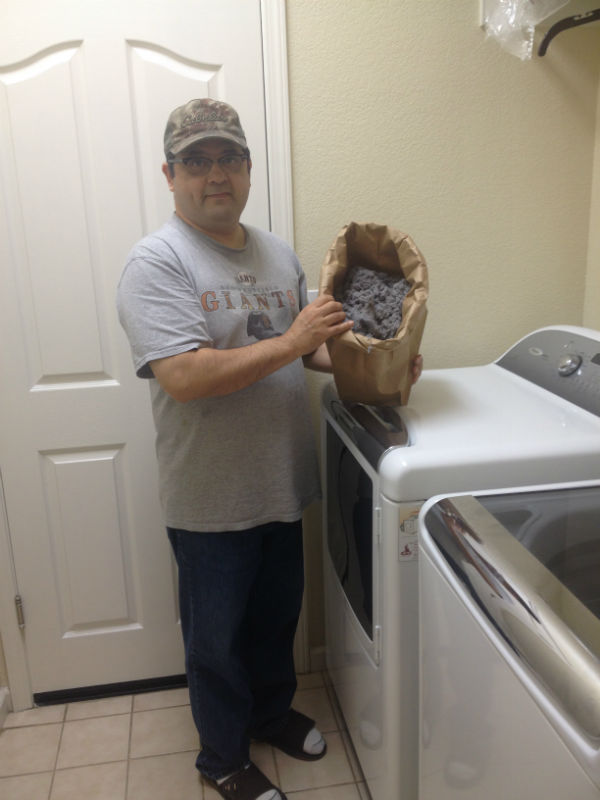
Did you realize that your dryer vent should be professionally cleaned once a year? Many homeowners do not know the importance of having this maintenance service done annually, but your clothes dryer could be a fire hazard if the vent is clogged with lint and other debris. When you have your dryer vent cleaned, you are not only reducing that risk of a fire, but you are also prolonging the life of your clothes dryer and saving money and energy. Weststar Chimney Sweeps is proud to offer professional dryer vent cleaning services to the residents of the San Diego area, and we would like to tell you the benefits of having your dryer vent system professionally cleaned.
A professional dryer vent cleaning keeps your clothes dryer working at its most efficient level.
Every time you use your dryer, it produces lint, which can accumulate inside the vent and even block the opening. When the vent is blocked, your dryer cannot exhaust the hot air, and this causes your dryer to overheat and not work very efficiently. Important parts of your dryer will break down earlier than they should, which causes expensive repairs. Sometimes it could be less costly to buy a new dryer than to have the heating element replaced. A professional dryer vent cleaning will help your dryer to work as efficiently as possible, which will prolong its life.
A professional dryer vent cleaning saves you money and energy.
When the vent is clogged, your dryer will take longer than usual to dry a load of clothes. If you have ever noticed damp clothes at the end of a drying cycle, your vent is probably dirty. When you have to run your clothes dryer for two cycles to completely dry one load of clothes, your utility bills can get expensive. Weststar Chimney Sweeps can save you both money on your utility bills and precious energy by cleaning your dryer vent.
A professional dryer vent cleaning prevents clothes dryer fires.
According to the US Fire Administration (USFA), clothes dryers are responsible for 2,900 fires a year, which result in approximately 5 deaths, 100 injuries, and $35 million in property losses. Why are clothes dryers causing so many fires? The majority of these fires are caused by dirty dryer vents, which means they could have been avoided with a professional dryer vent cleaning. Weststar Chimney Sweeps will be sure to remove every bit of lint from the vent because lint is so flammable that the Boy Scouts of America recommend using it to start campfires. We will ensure that your clothes dryer poses no risks for a fire.
Reduce the risk of a clothes dryer fire in your home. Contact us at Weststar Chimney Sweeps to schedule an appointment for our dryer vent cleaning services today.
by Mike O'Mara | Apr 16, 2016 | Bee & bird removal
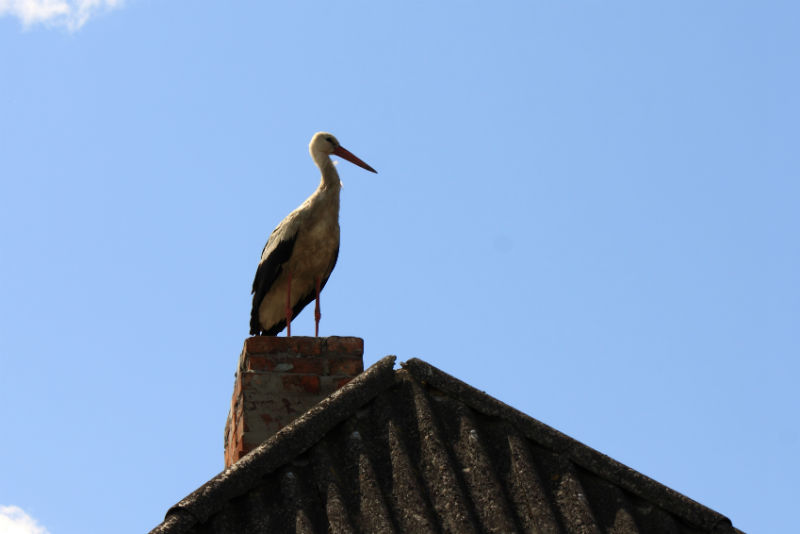
Some people love the sounds of birds chirping in the spring; however, when you hear the sounds of birds coming from your chimney, you may feel the opposite emotion to love! Not many people enjoy listening to bird noises inside their homes, but if a family of birds have nested within your chimney, you will have to get used to it for a few months until they leave on their own to fly to their winter home. Since some birds like chimney swifts are protected by federal law under the Migratory Bird Treaty Act, it is illegal to remove nesting birds, according to Chimneys.com. When they do leave, they will leave their nests behind, which can be hazardous. Weststar Chimney Sweeps has 17 years of experience with dealing with birds in chimneys across the San Diego area, and we are proud to offer nest removal services. We can also give you some advice on sharing your home with a family of birds if one has nested in your chimney, and we can prevent these birds from coming back next year to move back into your home.
Why do birds nest in chimneys? What kinds of problems do they cause?
Birds like to take up residence in chimneys because so many trees have been cut down for development and construction reasons, and chimneys are the next best thing to trees for the shelter needed to build a nest. Not only can birds make loud and obnoxious noises at times, but they carry diseases, like histoplasmosis, which causes blindness. They also may become trapped and even die inside your chimney, which can be an unfortunate and smelly situation. Learning to live in a home with a family of birds for a few months can be difficult, but once your family is used to the birds, it really is not as bad as it seems at first. One of the biggest problems birds cause inside your chimney actually happens after they leave. When they fly away to their winter home, their nests will be left behind, and the nesting materials can lead to a couple of hazardous situations. The straw, leaves, sticks, and other debris used to build the nests are all very flammable and create the risk of a chimney fire. The nesting materials also block the flue, which forces the toxic gases from combustion, including carbon monoxide, back into your home. Weststar Chimney Sweeps can remove every bit of the nests that remain in your chimney once the birds have left and prevent these hazardous situations from occurring.
How can Weststar Chimney Sweeps prevent birds from getting back into my chimney next year?
Many birds will return to where they last nested, so if you have or have had a family of birds living in your chimney, you will definitely want to take action to keep them from coming back to share your home again. We recommend having a good-quality chimney cap professionally installed at the top of your chimney to prevent their return next year. You will need a cap that is equipped with mesh metal sides to keep them from entering the chimney when they come back to try to nest again. We are proud to offer a wide variety of these types of chimney caps and can help you select one for us to install on your chimney. The chimney cap will also keep water from rain from leaking into your chimney — it is an important part of your chimney!
Protect your chimney from birds getting inside to nest. Contact us at Weststar Chimney Sweeps if you are dealing with birds in your chimney as we can help.
by Mike O'Mara | Mar 29, 2016 | Chimney Maintenance
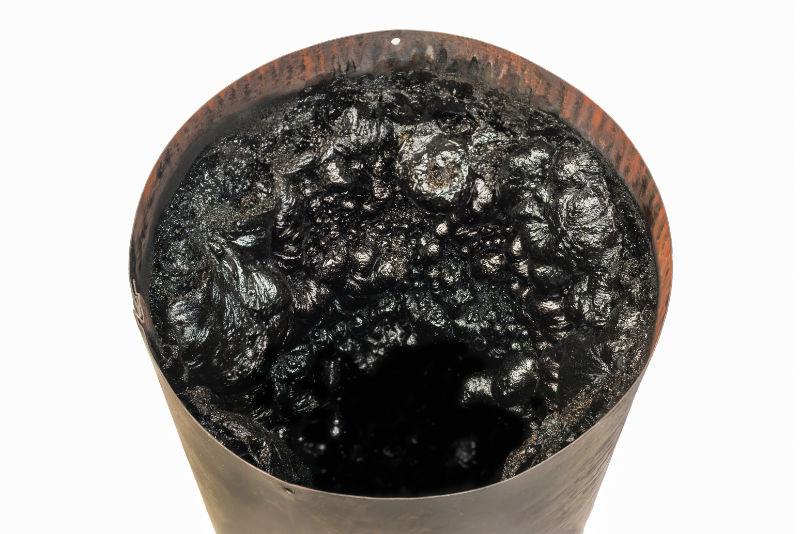
When our Chimney Safety Institute of America (CSIA)-certified chimney sweeps from Weststar Chimney Sweeps clean your chimney, we take great care to remove every bit of creosote from its interior walls. However, sometimes it takes more than just a typical chimney sweeping to get rid of this flammable residue. Creosote evolves through three different stages, and when it gets to the third and final stage, it becomes glazed on the walls of your flue. Glazed creosote can be very difficult to remove because it is like a thick shell of chocolate stuck to your chimney walls. It is impossible to remove with our regular chimney sweeping tools, so we will need to give your chimney a professional and detailed mechanical cleaning. Creosote deglazing is very important to keep your chimney safe from dangerous hazards, and we would like to tell you more about this service and why it is so essential.
What exactly is creosote, and why is it so hazardous?
A compound that forms naturally during the combustion process of burning wood, creosote sticks to the inner walls of your chimney and can accumulate into large deposits. If these deposits become large enough, they can block your flue and even ignite a chimney fire if the internal temperature of your flue reaches a high enough point. As the CSIA says, chimney fires can be caused by dirty chimneys. This is why the CSIA and other national fire safety organizations recommend that a chimney should be professionally swept annually.
What causes creosote to become glazed?
Although creosote occurs naturally when you burn wood, there are some precautions you can take to keep it from reaching the glazed state. The most important thing you can do to prevent glazed creosote is to always burn only seasoned wood, or wood that has been dried for at least six months. When you burn freshly-cut, wet wood, your fire burns at a lower temperature because it is too busy trying to burn off all of the excess moisture. This cooler temperature causes more creosote to form and dry at a slower pace. New layers of creosote begin to form over layers that are still wet, which leads to the development of glazed creosote. Another important thing to always do when you use your fireplace is to be sure the damper is completely open, which prevents the fire from smoldering and producing more creosote.
What is a creosote deglazing?
A detailed mechanical cleaning, creosote deglazing involves our trained technicians using a mechanical high-speed, half-inch drill and a 24-inch wizard whip to be able to safely remove the glazed creosote by breaking it down so that it will not damage the interior walls of your chimney.
Have you scheduled your annual chimney sweeping yet this year? Contact us at Weststar Chimney Sweeps to arrange a visit from our CSIA-certified sweeps to see if you will also need a creosote deglazing treatment.
by Mike O'Mara | Mar 15, 2016 | Chimney Maintenance
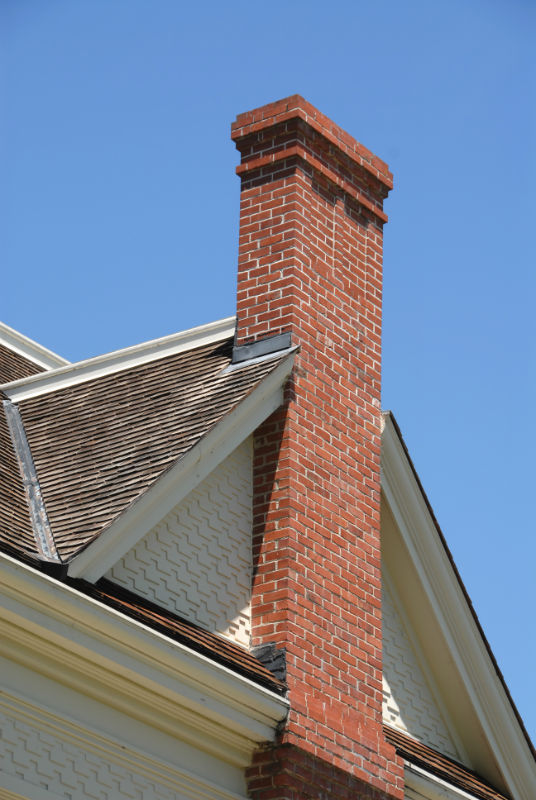
When you have an older masonry chimney, you may believe that it is immune from any damage because it is constructed well enough to last for a lifetime. However, a masonry chimney can suffer from both exterior and interior damage. You may have seen a chimney with cracked and missing bricks on its exterior, which is most likely caused by erosion from weather elements. The inside of a masonry chimney can also be damaged, and this type of damage is much harder to see. Most masonry chimneys were built with clay tile flue liners, and these tiles can also crack and even fall from the chimney wall. This can lead to a hazardous situation, including carbon monoxide leaking through the cracks and gaps into your home. The Chimney Safety Institute of America (CSIA)-certified chimney sweeps from Weststar Chimney Sweeps have years of experience of inspecting and repairing clay tile liners. We would like to tell you more about clay tile flue liners and how we can repair them so that your chimney works safely.
How does a clay tile liner work?
When the chimney is being built, masonry workers will stack clay tiles upon each other, and according to Inspect-a-Pedia, refractory cement is placed in the joints in between these tiles to create a continuous smooth walled vent. There should be a space of one half of an inch to one inch in between the flue and the masonry surround because when the flue is heated, the liner expands outward and lengthwise.
How does a clay tile liner become damaged?
The most common reason behind the damage done to clay tile liners is water penetration. This type of damage can be prevented with the installation of a good quality chimney cap, along with a customized flashing system. Chimney fires can also cause a lot of damage to clay tiles. And, of course, these tiles can crack and break apart over the years as normal wear and tear.
Contact us at Weststar Chimney Sweeps to schedule an appointment for an inspection of your chimney. We will be able to show you photos of the damage within the flue and make repair recommendations to make your chimney safe to use again.
by Mike O'Mara | Mar 1, 2016 | Chimney Maintenance, fire safety, Fireplaces
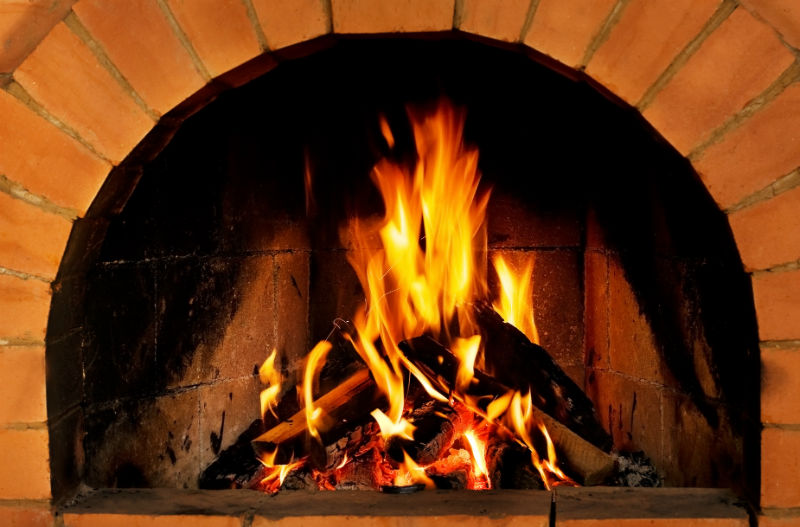
When you have a fireplace in your home, ensuring that it works safely is one of the most important responsibilities you have as a homeowner. Making sure your fireplace and chimney are in good condition can help you fulfill this responsibility. Of course, the most important thing you can do to guarantee your chimney and fireplace work safely and efficiently is to schedule an annual professional chimney sweeping and inspection. Weststar Chimney Sweeps is proud to provide these maintenance services to the residents of the San Diego area, and we only employ chimney sweeps who have been trained and certified by the Chimney Safety Institute of America (CSIA). Since safety is our top priority, we would like to share with you some other tips on how to be sure your fireplace is safe.
Outside The Home
You need to check to see if there is a chimney cap installed at the top of your chimney as this prevents water leaks, keeps birds and animals out, and other important functions. If getting on your roof is too hazardous, you can use binoculars to get an up-close look at the condition of the cap to check for signs of damage and debris building up on the cap. While you are using the binoculars, check to see if the flashing system looks tight and shows no signs of corrosion damage, and then look to see if the flue liner is visible above the crown. You should also look for cracked or missing bricks from the chimney as well as any leaning or other signs of structural damage. Take a look at the trees near the chimney to see if any limbs are directly above the chimney. If you find any signs of damage or problems, contact us at Weststar Chimney Sweeps to ask us to come by to examine things further.
Inside The Home
Now you can check out your fireplace to see if anything looks like a potential problem or a safety hazard. According to HouseLogic, you will need a flashlight to look at the condition of the damper to be sure it opens, closes, and seals correctly. It is important that your damper works properly to keep air from leaking out the chimney. Then, open the damper completely and shine the flashlight up the chimney to look for any signs of animal invasions like nesting materials. To be sure nothing is blocking your flue, look up the flue, and if you can see sunlight at the top, your flue is clear with no blockage. Your next step is to look at the hearth to inspect the fireplace surround and firebox to be sure there are no cracked or missing masonry materials like bricks and mortar. This type of damage is very serious and can lead to dangerous hazards. The last thing you should look for any signs of moisture inside the firebox because this means you have a chimney leak somewhere in your chimney. As with any outside damage, any interior damage or possible issues deserves professional attention, so you need to call us as soon as possible to avoid any damage becoming worse.Ensuring the safety of your chimney and fireplace is extremely important. If you need professional assistance, contact us at Weststar Chimney Sweeps to ask us to come by to give your chimney an inspection from our CSIA-certified chimney technicians.