Chimney Services » Mike O'Mara » Page 21
Our Company Blog
by Mike O'Mara | Apr 29, 2015 | Chimney Maintenance
Can you identify the major components of your masonry chimney? If you cannot, you are not alone. Many homeowners have very little knowledge about their fireplace and chimney systems. When you do not know the names of certain parts or what exactly each part is supposed to do, it can be difficult to describe a chimney problem you could be experiencing. Knowing the details of each component of the anatomy of your chimney can help you discuss your issue with chimney professionals, like our staff at Weststar Chimney Sweeps. As part of our responsibilities as Chimney Safety Institute of America (CSIA)-certified chimney sweeps, educating our customers about the major parts of their fireplace and chimney systems is one of our top priorities. We would like to explain each component of the anatomy of a masonry chimney to help you be able to identify these parts and their specific functions.

As identified by the CSIA, the anatomy of a masonry fireplace and chimney system consists of the following parts:
- Mortar Crown – Also commonly known as a chimney crown, this component is located on top of the chimney to prevent water penetration of the bricks and mortar as well as to stop water leaking down the flue and into your home.
- Flue – Found in different shapes and sizes, the flue is the chamber that vents out the corrosive byproducts of combustion from the fireplace. A single chimney can have multiple flues if several fireplaces or stoves are connected to the same chimney. Your flue should always be clear from blockages to allow proper airflow.
- Smoke Chamber – Located above the firebox and below the flue, the smoke chamber allows smoke to mix and rise up the flue. Commonly constructed from terracotta tiles, this part is also known as the chimney throat.
- Smoke Shelf – Functioning with the smoke chamber to push smoke out the flue, the smoke shelf can be found behind the damper and is at the bottom of the chimney.
- Damper – Typically located in the same area as the smoke chamber and smoke shelf, the damper seals your chimney closed when the fireplace is not in use. A very important part of the efficiency of your chimney, the damper needs to function properly to keep heated air from escaping out the chimney when there is no fire.
- Lintel – The heavy piece of angle iron that holds up the bricks over the center of the fireplace, the lintel can be found embedded into the brick.
- Firebox – A crucial part of your fireplace and chimney system, the firebox is a two- or three-walled structure that contains the direct heat of the fire and guides the smoke into the smoke chamber. As the firebox is exposed to such high temperatures, this component tends to deteriorate faster than other parts of the anatomy of your chimney. It is crucial that the firebox is constructed with the right materials and kept in good repair.
- Ash Dump – Located right below the center of the firebox, the ash dump is equipped with a door. When the ash dump door is open, ashes from the fire fall into the ash dump. This component allows for simple ash removal from the firebox.
If you have any questions about any of these parts, get in touch with Weststar Chimney Sweeps. We are happy to tell you more about the anatomy of your masonry chimney.
by Mike O'Mara | Apr 12, 2015 | Chimney Maintenance
Essential for the proper venting of smoke and other byproducts of combustion out of your home, a damper is one of the most important components of your chimney and venting system. Just as an opened window, a opened damper allows air to flow out through the chimney. When the damper is closed, it keeps warm air inside the fireplace and your house. For safety reasons, you should always be sure that your damper is opened when you have a fire burning, but when your fireplace is not in use, your damper should be closed to keep warm air out and cool air in your house during the summer and cold air out and hot air in your home during the winter. If your damper is old and worn out, it should be repaired or replaced as soon as possible to keep your home energy-efficient. To help you decide which type of damper would be best for your chimney, Weststar Chimney Sweeps would like to tell you more about the two different types of dampers and how we can assist you when it is time for a new damper in your chimney.

Throat Dampers
Found at the bottom of your chimney (or also known as the throat of your chimney) directly above your firebox, throat dampers are generally found in old masonry chimneys. Constructed from cast-iron, steel, or stainless steel, a throat damper rests on tracks directly above your fireplace. You operate this type of damper by moving a handle on the damper along its tracks to open and close it manually. Some prefabricated chimneys also have throat dampers; however, these steel dampers are often shaped as a square or circle and are opened and closed with a pull-down handle or a left-to-right lever and do not use tracks. You can also find newer throat dampers, which are inflatable devices that seal off the flue to any extraneous air that comes down the chimney, according to eHow. To ensure you have the best sealant, you should get the correct size for your inner chimney walls. Some disadvantages to this type of damper are they can be easily punctured, are not the most energy-efficient, and do not protect your chimney from birds and animals nesting inside your chimney.
Top-Mount Dampers
When you have an old throat damper that is beyond repairing, Weststar Chimney Sweeps will recommend that you install a top-mount damper, which sits on top of your chimney and can also serve as a chimney cap. Very energy-efficient, a top-mount damper is equipped with a silicone rubber gasket to provide an air-tight seal. Constructed from iron or steel, a top-mount damper functions well as a chimney cap when closed. This type of damper will protect your inner chimney from water leaks, debris, and bird and animal invasions. Although the main disadvantage of a top-mount damper is that it is more expensive than a throat damper, you will end up saving money on your heating and cooling bills as well as on costly repairs to your chimney caused by water leaks or nesting animals. Easy to operate, a stainless steel cable runs down your chimney to the firebox, and you simply pull on the cable to both open and close the damper.
Want to know more about these two different types of dampers? Contact Weststar Chimney Sweeps to let our staff help you decide which damper is right for your chimney.
by Mike O'Mara | Mar 22, 2015 | Chimney Maintenance
Do you live in an older home with a masonry chimney? If so, it probably has a clay tile flue liner. Clay tiles have been used to line chimney flues since the beginning of the 20th century, and there are excellent reasons why. These tiles can withstand extremely high temperatures, and they hold up well against the corrosive byproducts of combustion that pass through the flue on their way out of the chimney. Once installed, clay liners will stay in good shape up to 50 years. However, when the clay tiles become cracked and chipped over time, it can be costly to repair them or to replace the liner as it is a very difficult and time-consuming task. When the HeatShield Chimney Repair and Resurfacing System was developed around 20 years ago in Europe, repairing and relining a clay tile liner became so much easier and less costly. At Weststar Chimney Sweeps, our technicians are experienced with using HeatShield, and our customers who have had their clay flue liners repaired or replaced with this product have all been very satisfied. We would like to tell you more about HeatShield and what it can do for your clay tile-lined chimney.

What exactly is HeatShield?
Made from a specially formulated “Cerfractory” sealant material, HeatShield can restore the integrity of your chimney’s flue to vent out toxic gases from your home. Eliminating the dangers in your flue caused by cracks, gaps, and spalling, HeatShield will make your chimney as safe and as efficient as it originally was when first built. Depending on the condition of your clay tile liner, the Joint Repair system or the Resurfacing System will be used.
What does the Joint Repair system do?
If our chimney inspectors at Weststar Chimney Sweeps only find mortar joints in your clay tile liner that are deficient, we will use the Joint Repair system. First we will make a custom-made foam applicator blade to fit your chimney. Once this tool has been inserted into your chimney and positioned below each gap or void, we will then add the HeatShield Cerfractory Flue Sealant mixture. Each void and gap will be filled, and when we pull out the foam applicator blade, it will smooth the filled gaps and voids as it comes out of your chimney. Then we scan the repair with a special video camera to be sure the repairs have been done correctly.
What does the Resurfacing System do?
If your chimney liner has a flue that is spalled, but is also structurally still sound, we will use the Resurfacing System. We will pull a custom-fit foam applicator from the bottom of the flue up through top by way of a wench attached to the top of the chimney. We then prime and clean your old liner with a “tie coat” material, which is applied to the flue walls by pulling the plug upwards with the winch. After this coat dries, we then apply the HeatShield mixture with the foam plug in the same way we applied the primer. This method is called “slip casting” or “slip cast extrusion.” After this is applied, we will look at the scanned video to be sure your entire chimney is sealed and smoke-tight.
Have more questions about HeatShield? Contact Weststar Chimney Sweeps to talk to our staff to see if HeatShield is right for your clay tile chimney liner.
by Mike O'Mara | Mar 6, 2015 | Chimney Inspections, Chimney Maintenance, Chimney Sweeping

Schedule a chimney sweeping and inspection as part of your spring cleaning!
March is upon us, which means spring is finally here. For homeowners, the arrival of spring means it is time to get started on annual spring cleaning chores. If you have a fireplace or wood stove in your house, that means your chimney should also be included. Weststar Chimney Sweeps is ready to help you with your chimney cleaning chores, and we would like to tell you more about our chimney sweeping process.
Why should I have my chimney cleaned and inspected in the spring?
It makes sense to have your annual sweeping done in the spring because most people schedule their annual chimney inspections in the fall, so you will not have a problem getting the appointment you want. Also, the sooner you have your chimney looked at after the heating season, the better. If there are problems that need repairing, you need to get them repaired quickly so no more costly structural damage occurs. The Chimney Safety Institute of America (CSIA) recommends homeowners have their chimneys inspected annually, so why not get into the habit of scheduling this appointment in the spring?
What should I expect from a chimney sweeping and inspection from Weststar Chimney Sweeps?
When you schedule a chimney sweeping and inspection with Weststar Chimney Sweeps, one of our licensed and certified technicians will come to your home and begin the inspection and cleaning process. Using modern technology, we use video cameras to allow us to closely examine the interior of your chimney and decide which type of cleaning technique we will need to do, based on the type of creosote build-up in your chimney and what kind of chimney you have. We use a few different chimney sweeping techniques, which include:
Standard Sweeping
Using the typical rotating brushes on long handles, along with a high-powered vacuum with a HEPA filter to keep debris and soot from getting in your home, this technique is effective for getting rid of average creosote deposits; however, if you have any major creosote build-up, as in 3rd stage, you will need a heavier-duty sweeping.
Mechanical Cleaning
In order to remove hard or glazed creosote deposits, high-speed rotating wire brushes, plastic cables, or specials chains are used to do the sweeping.
Chemical Cleaning
Sometimes mechanical cleaning is not enough, and chemicals may have to be used along with the high-speed rotating power tools to get rid of big deposits of glazed creosote.
What happens after the chimney inspection and sweeping is completed?
Once we do your sweeping and inspection, we will assess our findings and determine whether or not you need any repairs done to your chimney. Other than creosote build-up, the most common damage to chimneys seen after winter is water damage from leaks. If left unrepaired, this can lead to further, more costly structural damage. Weststar Chimney Sweeps can handle all of your chimney repair needs, if repair is necessary.
Do not forget your chimney when you are spring cleaning. Contact Weststar Chimney Sweeps to make an appointment for your annual chimney sweep and inspection.
by Mike O'Mara | Feb 23, 2015 | Dryer Vent Maintenance
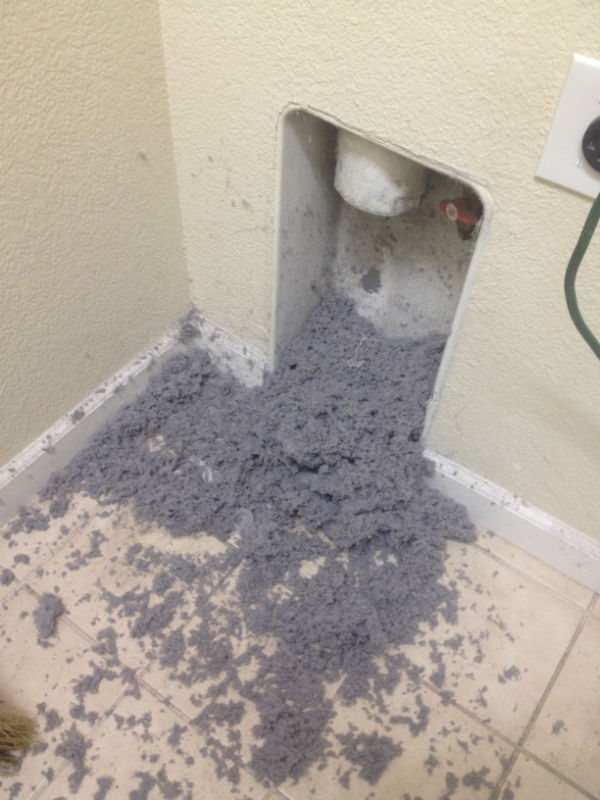
In the year 2010, approximately 16,800 house fires involving clothes dryers were reported in the United States, and these fires were responsible for 51 deaths, 380 injuries, and $236 million in property damage, according to the National Fire Protection Association (NFPA). The leading cause behind these fires is the failure to clean clothes dryer vents. The NFPA, the Chimney Safety Institute of America (CSIA), and other fire prevention safety organizations recommend that you have your dryer vent system professionally cleaned annually by an experienced dryer exhaust technician, such as one of our technicians at Weststar Chimney Sweeps. We would like to share with you some clothes dryer vent safety tips and other information to help you prevent a house fire started by your clothes dryer.
Clothes Dryer Safety Tips
The NFPA released a dryer safety tip brochure to inform the public about what they should do to keep their clothes dryers safe. The tips include the following:
- Always have your clothes dryer professionally installed and serviced.
- Never use your dryer without the lint filter.
- Always clean the lint filter before or after every load you dry. Also, remove any lint that has collected around the dryer’s drum.
- To keep the best air flow and drying time, rigid or flexible metal venting material should be used.
- Be sure the air exhaust vent pipe is not clogged or restricted, and the outdoor vent flap opens when the dryer is in use. The Weststar Chimney Sweeps technician will clean the outdoor vent pipe during the annual cleaning.
- If you have a gas-operated dryer, it should be inspected by a certified professional to ensure the gas line and connection are secure and have no leaks.
- Follow the manufacturer’s operating instructions.
- Never overload your dryer.
- Do not leave your dryer running if you leave your home or when you go to sleep.
- Your dryer should be grounded correctly.
- If it snows, be sure to check the outdoor vent flap to see if it is covered in snow.
- Keep the area around your dryer clear from anything that could burn like boxes,clothes, and cleaning supplies.
Why You Should Have a Professional Cleaning of Your Dryer Venting System Every Year
Our experienced technicians at Weststar Chimney Sweeps will inspect, clean, and verify that your clothes dryer’s venting system is sized and installed correctly. These annual inspections will prolong the life of your clothes dryer as well as increase its efficiency.
If you need to schedule a dryer vent cleaning, contact Weststar Chimney Sweeps today. Our expert technicians will be sure your dryer vents are not a fire hazard.