by Mike O'Mara | May 23, 2014 | Chimney Maintenance, fire safety
If you’re new to chimney ownership, it might surprise you when you learn not only that you need to be scheduling a professional chimney inspection each and every year, but that there are several different types of chimney inspections too.

It is vital to have your chimney inspected thoroughly at least once a year. Let our experts perform one of the three levels of inspection that is needed for your chimney.
Those different inspections are outlined as three different levels — 1, 2 and 3 — and Weststar Chimney Sweeps technicians are always happy to give you a rundown of when and why different inspections make sense for your system and your home. In the meantime, though, here are some basics to make those levels a little more clear:
Where Did These Levels Of Inspection Come From?
For a long time, the quality or thoroughness of your chimney inspection was largely left up to the individual professional doing the inspecting. While diligent, detailed chimney sweeps (like Weststar’s) have always been around, you generally just didn’t know what you’d get — a detailed peek into the state of your system, a quick glance with a flashlight and a mirror, or anything in between.
In January of 2000, the National Fire Protection Association outlined three different levels of inspection within NFPA 211, the standard by which our work — and the work of other CSIA-certified chimney technicians — is guided. This ensures that you receive a specific level of care, based on your chimney’s circumstances and needs, and that you know what to expect.
So What Should I Expect?
The Level of inspection that Weststar Chimney Sweeps technicians will recommend will be based on your specific system’s needs.
Level 1
If your system hasn’t changed — if you’re burning the same fuel in the same appliance with the same flue liner, etc. — you’ll do well with a Level 1 inspection, the least intricate (but still highly detailed) inspection. We’ll examine all of the readily accessible parts of your chimney, from the firebox up through the flue, interior to exterior, looking for structural soundness, performance issues (like obstructions or excess creosote) and damage (like flue liner cracks that could lead to a leak). After our inspection, we’ll share our detailed findings with you, and make any necessary recommendations.
Level 2
A more detailed Level 2 inspection makes the most sense in a couple of specific circumstances: when something in your system has changed, or if the property is changing hands. So if you’ve changed from wood to gas, added a new fireplace or insert, relined your flue or made other similar changes since your last inspection, Level 2 is appropriate. If you’re buying a home with a fireplace, a Level 2 inspection allows you to get the full picture of what’s about to become your responsibility — and potentially, your problem.
Level 2 inspections include that same thorough, top to bottom, in and out examination as Level 1, but we’ll also check your chimney in attics, basements and crawl spaces, look for proper clearance from combustible building materials and scan the flue using a specialized video camera that lets us get the closest look possible, and show our findings to you.
Level 3
A Level 3 inspection is really only recommended when a potential hazard is found and a closer look is needed — and that closer look can include removing building materials (like doors or drywall) that block off certain concealed areas. With these inspections, we’re leaving no stone unturned so we can be sure we’re aware of any dangerous or damaging problems that need to be addressed.
We’re always happy to talk chimneys — including inspections and other regular maintenance — with our valued clients. If you have questions, or would like to schedule your annual inspection, give Weststar Chimney Sweeps a call!
by Mike O'Mara | May 22, 2014 | Chimney Maintenance
“I don’t need a chimney cap. Why should I have a cap”. Well…recently, I got a call about birds in the chimney. The canine friend of the family would not quit barking at the fireplace. Not birds but a raccoon instead. Oh my.
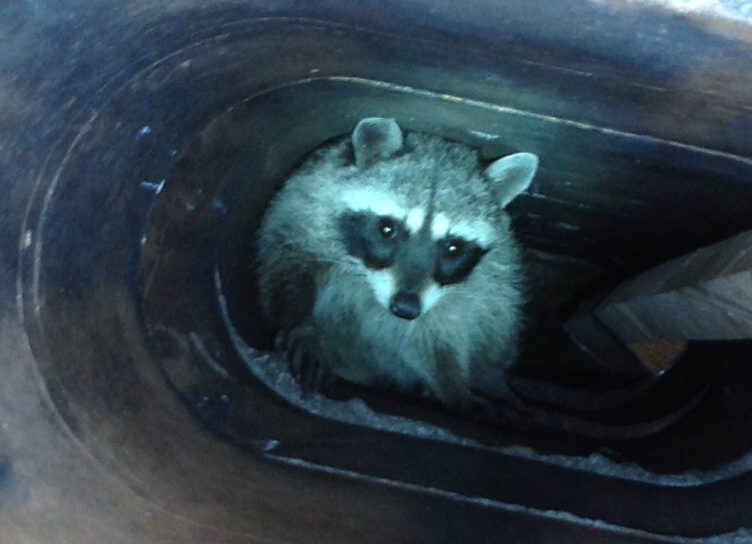
A chimney cap that is properly-sized and installed can prevent a face like this one sticking out of your chimney.
by Mike O'Mara | May 12, 2014 | Chimney Maintenance, fire safety
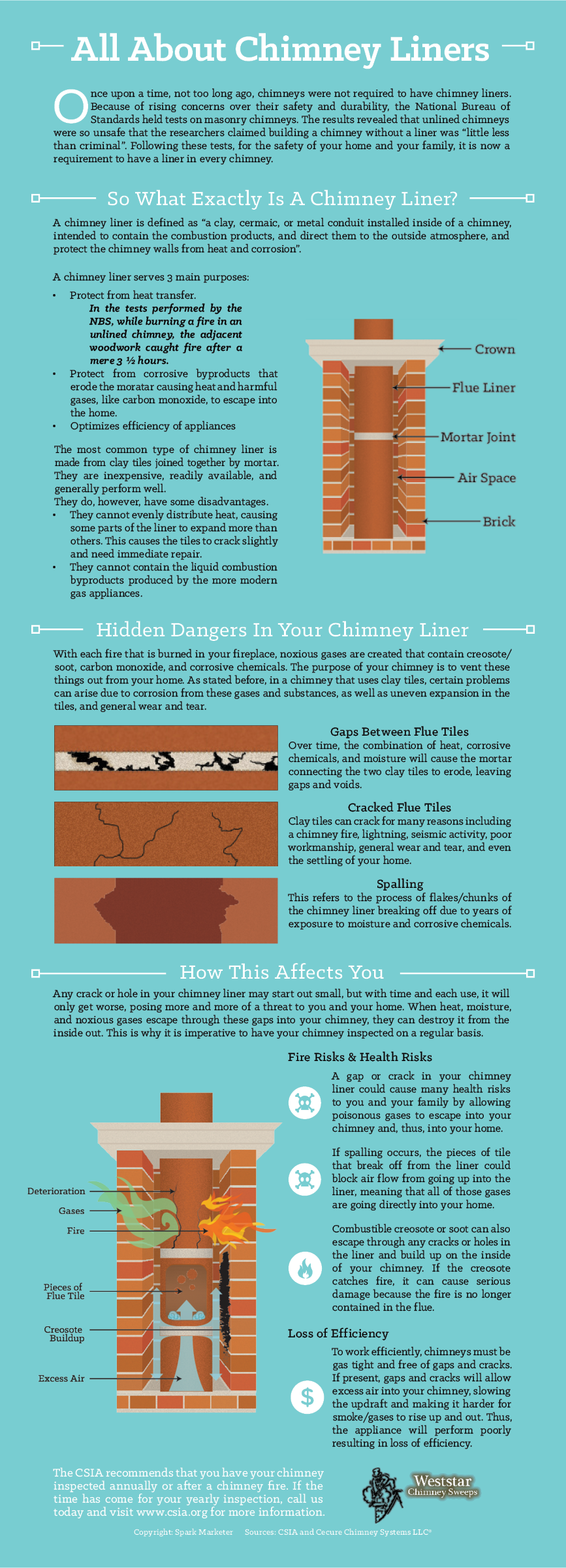
The exterior wall of your chimney is typically made of masonry. It cannot stand up to excessive heat well, so your flue liner does the job of protecting it.
by Mike O'Mara | Apr 30, 2014 | Chimney Maintenance

You won’t know it’s there until it strikes! Avoid CO poisoning through proper chimney care and maintenance.
When you are using your fireplace, you probably give little thought to the dangers of carbon monoxide poisoning; however, the Chimney Safety Institute of America states that every year over 200 people in the United States die from carbon monoxide poisoning due to the toxic gas entering their homes due to venting problems or leaks in their heating or chimney system. Additionally, 10,000 cases of illnesses due to carbon monoxide poisoning are reported every year. Fortunately, proper maintenance of your chimney, including an annual chimney sweep and inspection from a CSIA-certified chimney sweeping company like Weststar Chimney Sweeps, can prevent any possible carbon monoxide poisoning incidents from occurring in your home.
What does carbon monoxide do to you?
Quite simply, too much carbon monoxide in your bloodstream will kill you, and low levels of exposure to carbon monoxide over a period of time can cause many health problems. Unfortunately, when carbon monoxide is in the air, the protein hemoglobin in your blood would rather latch on to carbon monoxide and ignore life-giving oxygen. Because of this, your body will replace oxygen with carbon monoxide, and this causes greater or lesser levels of your cells suffocating, depending on the duration and intensity of the exposure to carbon monoxide. Low-level exposure to carbon dioxide includes serious side effects like permanent organ and brain damage. The elderly, infants, and people with breathing issues are in more danger to carbon monoxide exposure as their immune systems are compromised. Symptoms of carbon monoxide poisoning are similar to the common cold and flu, so it can take some time to diagnose the true problem. If you continue to suffer from headaches, fatigue, or even depression, ask your doctor to check your blood levels of carbon monoxide.
How does carbon monoxide form in my chimney?
A by-product of combustion, carbon monoxide can be found in both gas and wood-burning fireplaces, stoves, and furnaces. If the combustion process is incomplete, more carbon dioxide is formed. Restricted air flow (closed fireplace doors and an unopened damper) is a cause of incomplete combustion as not enough oxygen is able to get in to burn the fuel completely.
How does carbon monoxide get into my house from my chimney?
Several factors lead to the toxic gas leaking into your home. A damaged or deteriorated flue liner allows carbon monoxide to seep through its cracks. Other factors that cause carbon monoxide to enter your home are debris clogs, soot build-up, and animal or birds nests obstructing the chimney flue.
How do I prevent carbon monoxide from entering my house?
The best prevention against carbon monoxide leaks is an annual chimney sweeping and inspection from a CSIA-certified company like Weststar Chimney Sweeps. We will ensure your venting system and flue liner are in good shape, and if not, we provide chimney repair services to fine-tune your chimney so that it works efficiently and safely.
If you have any more questions about the dangers of carbon monoxide, contact Weststar Chimney Sweeps, and our staff will be happy to answer them as well as schedule a chimney sweeping and inspection to ensure your home is carbon monoxide-free.
by Mike O'Mara | Apr 15, 2014 | Chimney Maintenance
Chimney systems are comprised of many parts that rely upon one another to operate at peak efficiency. A problem with one part of the system can cause another part of the system to have to work harder to pick up the slack, thereby causing that overworked component to wear out at a much quicker rate. This can quickly become a vicious cycle if the initial problem isn’t addressed in a timely manner. The moral of the story here is quite simple: repair minor problems early on to prevent them from becoming major problems down the road. Keep reading to get a better understanding of ways you can help to extend the life of your chimney.
Put a Cap on your Chimney

Installing a properly-sized chimney cap is one way to be proactive in protecting your chimney.
A chimney cap is designed to cover your chimney’s opening in order to keep water, birds and other wildlife, leaves, twigs and other debris from getting into your chimney. Water is diverted away from the center and off the sides of your chimney. Mesh screening on the side blocks birds, other wildlife, leaves, twigs and other debris from getting in. Purchasing a chimney cap and having it installed by a certified chimney professional is a choice you won’t regret!
New Chimney Flashing will help Prevent Leaks
Chimneys are notorious for leaking; the source of these leaks is almost always the flashing. It keeps water out of the chimney and protects your flue and roof. Flashings are made from a variety of materials (e.g., aluminum, copper, galvanized steel, and/or tin). You should have new chimney flashing installed if any of the following issues exist:
- Your flashing is missing.
- Your flashing is rusted through.
- Your flashing is falling off.
- Your flashing is completely covered with roofing tar (this is a common short-term fix that’s sure to be hiding bigger problems).
Many homeowners also opt to have new flashing installed when having a new shingle-roof installed.
Crumbling Mortar is a Definite Warning Sign
The mortar used in your chimney’s construction is exposed to various elements on the outside and heat and chemical compounds from your firebox on the inside; all of these things speed up the weathering process. Because of this, it’s common for mortar to crumble and fall away sooner or later, which leaves open areas between the bricks. This only makes a bad problem worse, giving rise to more issues. During chimney repointing, the process for repairing your damaged mortar, a chimney professional will remove the damaged, old and loose mortar from the joints between the bricks and replaces it with new mortar. It can’t be stressed enough that only a skilled professional should perform this work, as it requires an experienced hand.
Flue Liners
Problems in your chimney’s flue can present serious risks to your home and family, because it’s no longer able to perform its primary function: safely containing and venting the products of combustion to the outside of your home. If your current liner has deteriorated, it’s recommended that you either have a new one installed or have your current liner repaired. There are several different relining options available to you, depending on both the type of flue liner you currently have and the overall condition of your flue. Because of the nature of the job completed by your chimney’s liner, it’s a critical part. Every chimney must have a working liner!
Your chimney system is comprised of numerous parts, all of which are inspected by a chimney professional during your yearly chimney inspection and sweeping. To prevent major chimney system repairs, it is of paramount importance to make minor repairs as soon as problems arise. Some parts are in the line of fire more than others and are adversely affected by the heat, while other parts are exposed to the elements, thereby causing them to wear out faster. Contact the team at Weststar Chimney Sweeps with any and all of your chimney service related questions. We want you to have all of the information you need!