Chimney Services » Mike O'Mara » Page 27
Our Company Blog
by Mike O'Mara | Jan 20, 2014 | Chimney Maintenance, fire safety
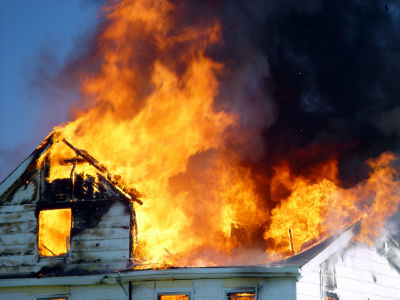
If you don’t want this to happen to your beautiful home, you better learn the basics in avoiding chimney fires.
Over 25,000 chimney fires in the U.S. last year were responsible for over $120 million in property damage. Chimney fires can quickly spread into house fires in a relatively short period of time. No one ever wants to experience a chimney fire, or worse yet a fire in the chimney that spreads to other areas of the home. This is an important issue, and there are things everyone can do to protect themselves and their families from the chances of a chimney fire ever affecting them.
Why Me?
Most chimney fires happen for one simple reason: improper usage and care of wood-burning appliances. The importance of yearly chimney inspections and sweepings cannot be understated, as they are the one true way to minimize the likelihood of a chimney fire sparking in the first place. The fact is that clean chimneys simply don’t catch fire.
What Causes Chimney Fires?
When wood is burnt, the emissions are expelled into the chimney. As these gases rise, they cool down and form creosote — a tar-like substance that sticks to your chimney or chimney liner. Creosote is extremely flammable and can be lit by even a small spark or floating ember from the fire below. The three most common causes of chimney fires are:
- Burning wet or unseasoned wood can increase the production of creosote.
- Failing to have your chimney swept often enough.
- Blockages in your chimney that can restrict air flow.
Knowledge is key to reducing the potential of a chimney fire happening in your home.
What can I do to Prevent a Chimney Fire?
Your first line of defense is always prevention. Make sure you have smoke alarms and carbon monoxide detectors in multiple locations within your home. Make sure you only burn dry, seasoned wood. Make sure you get your chimney swept at least once a year (more frequently is you use your fireplace more heavily). Make sure you never burn trash, cardboard or other types of waste, as these are more likely to produce sparks.
Chimney fires are a dangerous and serious problem to have, but the good news is that they are almost entirely preventable. Homeowners must be careful to only burn materials that are ready and meant to be burned. While using the correct fuel is important, a chimney fire can still occur even after taking all of the necessary precautions. This is why annual chimney inspections and sweepings are a critical part of your home maintenance routine. If your chimney is clean, the chances of a chimney fire occurring are slim-to-none. Don’t wait to call to schedule your inspection and cleaning. Our CSIA-certified chimney technicians will help to ensure that you and your family have a safe and happy heating season.

by Mike O'Mara | Jan 3, 2014 | Dryer Vent Maintenance, fire safety

Never overlook your dryer vents. You may think they don’t need that much attention, but when taken for granted, it could create a problem in your home.
With things like carpools, soccer practices, and other family-related activities with which to contend, it shouldn’t come as a surprise that some things, often through no fault of our own, take a back seat to everything else that’s going on. One thing that is commonly overlooked by homeowners is the proper maintenance and cleaning of dryer vents. People may think that cleaning these vents isn’t all that important. This couldn’t be further from the truth!
Dangers of Lint Buildup
There are thousands of fires caused by dryer lint buildup that happen every year. One of the ways to decrease the chances of fire is to clean your dryer vent after every laundry load you use it for. In fact, studies prove that effective cleaning maintenance of dryer vents can reduce the chances of fire by 90%. Not only does vent cleaning help prevent house fires, it also will make sure our clothes are dry and smelling nice after each use.
Increased Energy Consumption
Aside from the dangers of fire, buildup of dirt and lint in the dryer vent can also significantly increase your energy consumption. This is due in large part to the fact that a clogged vent makes your dryer take more time to dry your clothes. There are numerous warning signs that you can watch for that will indicate that you have a dirty dryer vent. Possible signs that the vent may be clogged is if the dryer no longer dries the clothes in one cycle, the clothes carry a musty smell after a drying cycle, the dryer seems to run hotter than normal, a visible amount of lint is noticed around the lint filter, and debris is noticed within the outside dryer vent opening.
Importance of Vent Cleaning
To avoid this potentially dangerous buildup in your vents, you need to follow a predetermined maintenance schedule. As a general rule of thumb, the majority of dryer vents need to be cleaned at least once a year; some dryer ducts need more frequent attention. Some determining factors include:
- The number of people who are using the same dryer
- The age and condition of the dryer
- The length of your dryer vent
The best way to ensure dryer safety is to clean the lint screen after every use and to have your vent and duct cleaned regularly. Each time you run your dryer, lint builds up in the vent. Cleaning the lint screen will help you keep the dryer running and working well, but a little lint will remain within the vent. It is very important to keep up with dryer vent cleaning, as the built up lint poses a very serious hazard to your house and everyone in it. If you are unsure when your dryer was last serviced or you notice that the dryer seems to be running hotter than normal, you should contact us as soon as possible.

by Mike O'Mara | Nov 27, 2013 | Chimney Maintenance, fire safety
Fire Safety and Preparedness at Home
Every year, fires have claimed the lives of over three thousand Americans and have managed to cause injury to around seventeen thousand. A simple flame can turn into a blazing fire, changing a families’ life forever. This can be attributed to many things, including creosote build-up, blockages in your chimney and unsafe burning practices and materials. Always remember, the safest, most efficient burn is one with dry, seasoned firewood. Burning anything else increases risk and creosote buildup.
There are many family fire safety tips that are recommended by numerous fire safety agencies, but here are two of the most important precautionary measures of all – working fire alarms and a plan in case of emergency. Don’t let forgetfulness be the reason your home and family are put in harm’s way.
You put your family and home at risk when you fail to maintain working fire alarms and an escape plan.
Fire alarms are required on each level of the home and in each bedroom. Of course, no matter how many alarms you have, unless your batteries are working, they will not be able to do their job. Experts recommend that you check your batteries each time you “spring ahead” and “fall behind.”
Second, a fire escape plan is a necessity. The National Fire Protection Association provides a model for how to create this essential document for your home. Their website is also chock full of fantastic resources for the entire family. Just as batteries are key for alarms…practice is key for plans. Make sure all members of your family know what to do in case of a fire. Everyone needs to know to stay low to avoid harmful smoke, stop, drop and roll if clothing catches fire and to check doorknobs before exiting. The family also needs to know where to meet outside while waiting for firefighters.
When you cover these two critical bases, you can rest a bit easier knowing that your family is well-prepared. Call today to have your chimneys and fireplaces inspected and swept by the certified professionals of Weststar Chimney. Having been in business in San Diego for more than a decade, we are ready to take one worry off your plate. Don’t forget — the best way to avoid tragedy is to prepare rigorously.
by Mike O'Mara | Oct 29, 2013 | Uncategorized
What To Expect From A Chimney Inspection
If you’re new to fireplace or stove and chimney ownership, the regular maintenance process may be a little daunting, since there’s a lot to think about, and the words “fire hazard” aren’t exactly soothing. You also may be picturing the soot-covered, ash dust-spewing chimney sweeps from the movies coming into your home with a sack of ratty brushes.
Regular chimney maintenance — particularly your annual chimney inspection — is important, both to ensure that your chimney system performs correctly, and performs as safely as it can. But when you hire the experienced, CSIA-certified technicians at Weststar Chimney Sweeps, it’ll be an easy, comforting and clean process, and we promise you won’t see a single sooty top hat.
We aim to get in with little muss & fuss and give you a detailed look at your chimney.
When Weststar Techs Visit For A Chimney Inspection:
First things first: Our techs protect your home. We’ll lay dropcloths all around the work area to ensure that no mess is left.
Before we perform a standard chimney inspection (what’s considered a Level 1 inspection in the National Fire Protection Association’s 211 standard), we’ll sweep the chimney, to make sure creosote and debris is removed and we can get a clear and clean look at the flue and the rest of the system.
Once the chimney is clean, we’ll inspect every accessible part of the interior and exterior, from the firebox up to the chimney cap, looking for damage that could cause leaks or fire hazards. When we’ve completed that process, we’ll have a clear understanding of the state of your system, and you’ll have a report outlining all our findings, including any recommendations for repairs or replacement, so you can make informed decisions about next steps, if they’re necessary.
When A More Thorough Inspection Is Necessary
There are a few instances when a more detailed inspection — or a Level 2 inspection — will be more appropriate. One is when your chimney system has changed (like adding a new appliance or flue liner); another is when a property is being bought or sold. If this is your first chimney inspection, there’s a good chance it’s because you’re about to buy a house, so Level 2 is likely what you should inspect.
The process covers everything included in a basic visual inspection, but adds parts of the chimney that are in basements or crawl spaces and attics, and video scanning, which offers a much more detailed look at the flue. And that detail is really important if you’re about to take on a chimney system as your own — we all want to know exactly what we’re buying when we make a major purchase, and a Level 2 inspection insures that you get the full picture.
If you have any questions about chimney inspections or any other kind of chimney care, Weststar is always here to help — just give us a call!
by Mike O'Mara | Oct 14, 2013 | Chimney Maintenance
Your home is a gathering place for your family and friends to come together as one, but what do you do when there is an odor filling the home that you just can not get rid of? When you realize it is your chimney making this smell, air fresheners and candles will not be enough. Although some odors are normal, there are others that indicate a serious problem with your draft. That is when you call in the professionals at Weststar Chimney Sweeps.

If your damper is open when you light the fire and you still have odor, it is time to have your chimney cleaned and inspected.
The first thing an inspector will ask is when you had your last chimney sweep. One of the most common causes for chimney odor is the build-up of creosotes inside the chimney. The resulting smell is usually worse in the summer due to an increased humidity, when it rains, or when the air conditioner is running inside of the home. An experienced professional can have the job done quickly without any mess inside of your home. While this will help relieve most of the odors, it will not eliminate all of them. The longer creosotes sit in the chimney, the deeper they sink into the construction of the chimney. One way smells are allowed in you home is the air pressure that forces them inside. When the air pressure is changed the smell will become more or less apparent. Old parts or damper and exhaust vent closures can cause this as well as new equipment such as a furnace or water heater, or new windows.
There are ways to fix the negative air brought in by your chimney and if one method does not, you may need to do a combination of things. First, if your fire damper s not in use, you should keep it closed. Unless there is a problem with the seal, this should solve you problem. Also, some people recommend having a glass screen installed so that air cannot pass through into the home. Lastly, if you have other appliances running in the home change their airflow, as they all will be working against each other. These tips should not only get rid of the odor, but also keep your name clear of the stinky homeowners list.